From Brief to Bottle: What a Clean Fragrance Development Process Actually Looks Like
Your product's scent profile IS a positioning statement
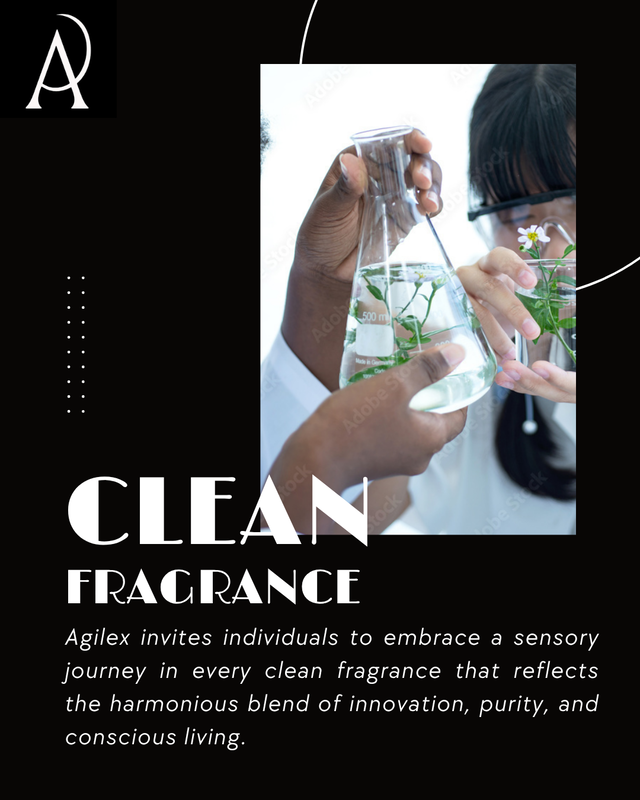
The gap between wanting a clean fragrance and having one that is commercially ready is filled with a development process that most brand owners have not seen from the inside. Understanding what that process actually involves, stage by stage, helps brands approach it with realistic timelines, better-prepared briefs, and fewer costly revisions.
Clean fragrance development follows the same broad arc as conventional fragrance development but with additional decision points and documentation requirements built throughout. The process starts long before the first sample arrives and continues past the point where most brands think the work is done.
The foundation is the brief, and for clean fragrance development, the brief needs to carry more specificity than the standard format typically demands. Beyond olfactive direction, mood references, and application context, a clean fragrance brief should define the exclusion criteria that will govern formulation, the regulatory markets the product will be sold into, the product base the fragrance will be used in, the target dosage rate, and any label claims the brand intends to make. This brief becomes the technical and creative framework that the perfumer works within. Ambiguity here translates directly into revision rounds later.
With a well-defined brief, the perfumer begins accord construction. In clean fragrance development, this stage involves selecting from a palette of materials that meet the defined criteria, which may exclude certain conventional fixatives, musks, or high-sensitization compounds that would otherwise be useful in achieving the target profile. A skilled perfumer works around these constraints creatively, often discovering combinations that achieve the desired result through different material routes than conventional formulation would suggest.
The first round of samples is an evaluation stage that requires more than just olfactive assessment. Each sample needs to be reviewed against the clean criteria, assessed for performance in the intended base formulation, and considered in light of the stability requirements the finished product will need to meet. Initial sample approval should include testing the fragrance in the actual product base, not just on blotter or strip, because fragrance behavior changes significantly across different base chemistries, pH levels, and emulsification systems.
Stability testing follows approval and is one of the most important and most frequently rushed stages of clean fragrance development. Stability testing for fragrance-in-formulation involves accelerated aging at elevated temperatures, observation for color change, odor shift, phase separation, and other indicators of instability, and confirmation that the fragrance continues to perform as intended after the product's shelf-life period. For clean fragrances incorporating higher proportions of natural materials, stability timelines may be different from those of more conventional accords, and should be assessed accordingly.
Documentation assembly runs in parallel with stability testing in well-managed development processes. This includes the IFRA compliance certificate for the specific application category, the safety data sheet for the fragrance compound, full ingredient disclosure for internal and regulatory use, and any additional certifications required by target retail channels. Agilex Fragrances builds this documentation delivery into its standard development process, which means brands receive what they need without having to chase it at the end.
Scale-up is the final stage where many brands encounter their first real production surprises. Fragrance behavior at pilot batch volumes does not always translate directly to full production scale, particularly for fragrances being used in emulsified or heat-processed formulations. Defining the scale-up protocol with your fragrance and contract manufacturing partners before it begins prevents the scenario where a fragrance that worked perfectly in development becomes a consistency problem in production.
Consumer testing, if your brand incorporates it, should use production-representative samples rather than development samples. The consumer's experience of the finished product is what matters for commercial success, and that experience is only reliably predictable once the formulation, fragrance, and manufacturing process are all locked.
The full timeline from a well-prepared brief to a commercially ready clean fragrance can range from eight weeks for a relatively straightforward development to six months or more for a complex proprietary accord with extensive stability requirements. Brands that budget for this timeline and invest in a well-prepared brief at the start are consistently rewarded with fewer revisions, more predictable scale-up, and better documentation packages.
Clean fragrance development done properly is not a shortcut process. It is a deliberate one. The brands that approach it that way launch better products and build more defensible positions in a market where formulation credibility is increasingly the price of entry.
Comments
No comments yet. Be the first to comment!