The Psychology of Clean: How Fragrance Shapes Hygiene Perception in Commercial Environments
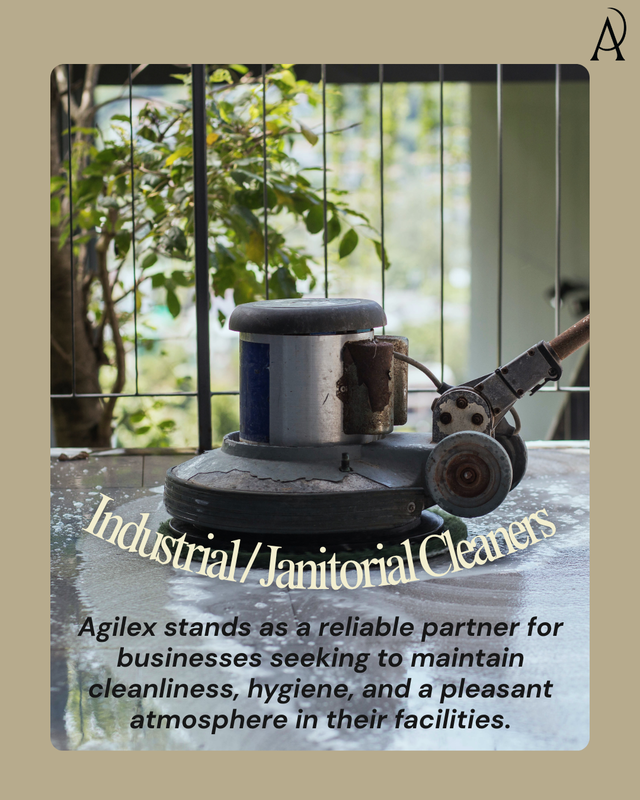
Cleanliness is not purely a visual or microbial condition. It is, to a significant degree, a sensory one. A surface can be disinfected to a standard that would satisfy a clinical audit and still feel unclean if the olfactive environment surrounding it tells a different story. Conversely, a space that carries a well-constructed fragrance profile can communicate cleanliness to everyone who enters it before a single inspection has taken place. For commercial cleaning brands, understanding this dynamic is not a marketing exercise. It is a product development imperative.
The relationship between scent and perceived hygiene has been studied extensively in environmental psychology. The consistent finding is that fragrance functions as a primary cleanliness cue, often outweighing visual information in forming rapid cleanliness judgments. When people enter a space and encounter a scent they associate with freshness, sanitation, or natural cleanliness, their assessment of the overall hygiene standard of that space adjusts upward. When the ambient scent is neutral, stale, or carries chemical notes that are not associated with pleasant cleaning outcomes, the assessment adjusts downward, regardless of the actual cleanliness of the surfaces.
For a business owner manufacturing or supplying commercial cleaning products, this research has a direct commercial implication. The fragrance in your product is not simply adding pleasantness to a functional result. It is actively shaping the hygiene perception of every environment your product is used in. That perception is then attributed to the cleaning operation, and by extension, to the products and the supplier responsible for them.
This is why fragrance decisions in commercial cleaning are never purely aesthetic. They are functional in the broadest sense of that word. A product that cleans effectively but leaves an ambient olfactive environment that undermines hygiene perception is underperforming commercially, even if its chemistry is excellent. The goal of a well-developed cleaning product fragrance is to reinforce the hygiene narrative of the space it has just cleaned. The scent should complete the cleaning story, not contradict it.
The specific fragrance profiles that reinforce hygiene perception vary by environment and by the cultural context of the buyer and end user. In Northern European and North American markets, clean citrus notes, eucalyptus, certain aquatics, and light floral profiles have historically been associated with hygiene and domestic cleanliness. In healthcare environments, clinical freshness with minimal fragrance intensity is often more appropriate than any prominent scent, because occupant comfort and scent sensitivity considerations limit how expressive the fragrance can be. In hospitality environments, particularly in upscale properties, fragrance can carry more personality while still communicating cleanliness, because the ambient scent is part of the guest experience as well as a hygiene signal.
Understanding which hygiene perception profile is appropriate for which environment is part of what a well-constructed fragrance brief communicates to a development partner. A cleaning product being developed for a fitness facility should not be briefed the same way as one for a food production area or a luxury spa. The olfactive language of cleanliness is not universal. It is contextual. And context is exactly what a custom fragrance company brings to the development conversation when a brand has done the work of articulating it clearly.
There is also a threshold question in commercial fragrance that many brands navigate incorrectly. More fragrance intensity does not reliably mean more hygiene perception. Beyond a certain concentration, fragrance shifts from reassuring to overpowering, and overpowering scent is associated by many users with chemical harshness rather than cleanliness. The optimal fragrance intensity for a hygiene perception benefit is often more subtle than brands expect. It is present and identifiable but not dominant. It enhances the sensory environment rather than replacing it.
This threshold varies by application. In a restroom, where ambient odor management is a primary functional goal, fragrance can carry a higher intensity because the competing olfactive environment is challenging. In a corporate office, where the ambient environment is relatively neutral, a lighter fragrance hand is almost always more effective at supporting hygiene perception without disrupting the working environment. Calibrating intensity to application is a technical skill that sits at the intersection of fragrance development and environmental psychology, and it is one of the areas where experienced scent manufacturers add genuine value beyond simple accord creation.
Agilex Fragrances approaches functional fragrance development with this kind of contextual awareness, working to align fragrance character and intensity with the specific environments and hygiene communication goals of each product. That alignment is what makes a cleaning fragrance work as a brand asset rather than simply as a product component.
For brands selling into the hospitality sector specifically, the hygiene perception dynamic has become a purchasing conversation in its own right. Hotel groups and restaurant chains are increasingly aware that guest satisfaction scores correlate with ambient scent quality in cleaned spaces. That awareness is now informing procurement decisions. Facilities managers in these sectors are asking their cleaning product suppliers questions about fragrance design that would have been unusual five years ago. What olfactive profile does this product leave in a bathroom after application? How long does the fragrance persist at working dilution? Does the scent profile complement or interfere with the ambient fragrance program in our properties?
These are sophisticated questions, and they require suppliers who have thought about fragrance at a sophisticated level. A brand working with catalog fragrances and without a documented fragrance strategy is not equipped to answer them credibly. A brand that has invested in custom fragrance development with a clear environmental brief and the technical documentation to support it can answer those questions with confidence, and in doing so, advances the commercial conversation significantly.
The underlying insight for any cleaning brand is that fragrance is doing active perceptual work every time a cleaned surface is encountered by anyone in that space. It is signaling hygiene, or undermining it, in a continuous and largely unconscious way. Brands that engineer that signal deliberately, that select and develop fragrance with the hygiene perception goal explicitly in view, are putting their products to work in the fullest sense. Brands that treat fragrance as incidental are leaving that perceptual work to chance.
In a category where trust is built over thousands of repeated interactions, and where the ultimate measure of product success is how clean a space feels to the people who inhabit it, fragrance is one of the most consequential investments a cleaning brand can make. Getting that investment right requires treating the psychology of clean scent as seriously as the chemistry of clean surfaces. The two are not separate concerns. They are the same product, experienced from different angles, and they both require the same level of deliberate development to perform at their best.
Comments
No comments yet. Be the first to comment!