The Green Cleaning Shift and What It Means for Fragrance Strategy
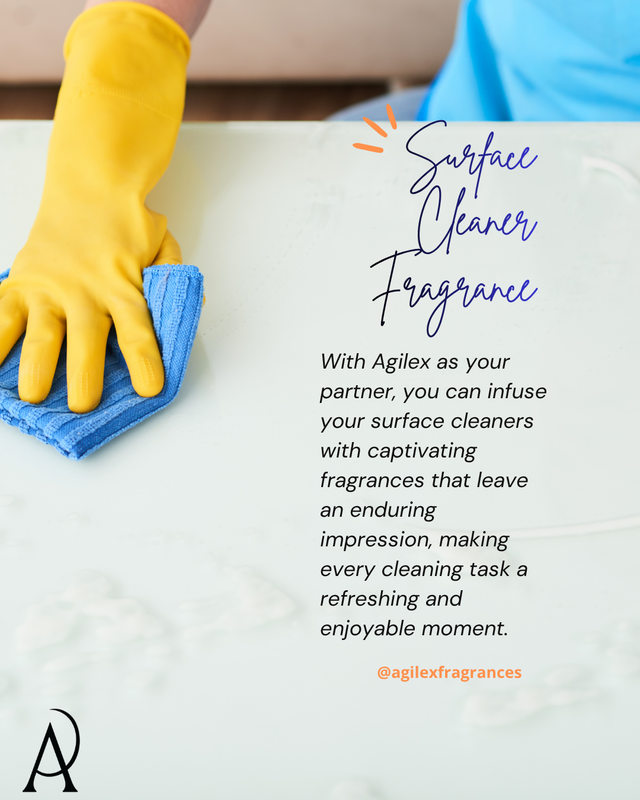
The market for sustainable household cleaning supply products has moved well past trend status. It is now a commercial reality that manufacturers and private label brands cannot afford to ignore. Retail buyers at major grocery chains have made sustainability commitments that filter directly into supplier selection criteria. Institutional procurement teams are fielding ESG reporting requirements that reach into their cleaning supply chain. And consumers who have shifted toward plant-derived, biodegradable, or low-VOC cleaning products are not shifting back.
For fragrance strategy in surface cleaning products, this sustainability transition creates a specific and often underestimated set of challenges.
The most immediate challenge is the assumption that natural automatically means better, both in terms of environmental profile and consumer perception. This assumption is widespread but technically imprecise, and brands that build fragrance strategy on it without proper technical grounding tend to encounter problems in stability testing, regulatory review, and actual end-use performance.
Natural fragrance ingredients, derived from essential oils, botanical extracts, and naturally sourced aroma chemicals, do carry genuine marketing value in the clean home fragrance space. Consumers who are buying a plant-based or eco-certified surface cleaner expect the fragrance to align with the product's overall positioning. A eucalyptus and tea tree blend communicates botanical provenance in a way that a synthetic aldehyde note does not.
But natural fragrance ingredients also present real formulation challenges in cleaning applications. Essential oils can interact with surfactant systems in ways that affect product stability and color. Certain naturally derived fragrance compounds are actually among the most potent skin sensitizers identified by the Scientific Committee on Consumer Safety, meaning that a fragrance marketed as natural may carry greater allergen risk than a carefully selected synthetic alternative.
This is not an argument against natural fragrance in cleaning products. It is an argument for precision in what natural means within a fragrance brief, and for working with suppliers who understand the distinction between naturally derived and low-risk.
The fragrance industry has developed a category of ingredients sometimes described as nature-identical, synthetic molecules that replicate naturally occurring aroma compounds but are produced through controlled synthesis rather than extraction. These ingredients often offer better stability, lower sensitization risk, and more consistent sensory performance than their botanical equivalents, while maintaining a fragrance character that reads as fresh and natural to consumers.
For brands developing fragrances in cleaning products within a green or sustainable positioning, a blend that combines certified natural ingredients with carefully selected nature-identical synthetics often delivers the most commercially viable result. The overall fragrance character aligns with consumer expectations. The stability and safety profile meets formulation and regulatory requirements. And the story the brand tells is honest because it focuses on the sensory and environmental outcome rather than making absolute claims about ingredient origin.
Biodegradability of fragrance ingredients is an increasingly important consideration in sustainable cleaning product development. Several major retail and institutional buyers now ask suppliers for biodegradability data on cleaning formulations that goes beyond the surfactant system to include fragrance components. Fragrance suppliers working in the cleaning category are increasingly able to provide biodegradability profiles for specific blends, which simplifies the documentation burden for brand owners navigating sustainability certification requirements.
Floor fragrance in a green cleaning product presents a particular positioning opportunity. A floor cleaner that is certified biodegradable, free of synthetic colorants, and packaged in recycled material but still delivers a beautiful, lasting, botanically inspired fragrance is a genuinely differentiated commercial offering. The sensory experience provides a positive signal that supports and reinforces the sustainability story rather than sitting in tension with it.
The challenge many sustainable cleaning brands face is that their fragrance strategy has not kept pace with their formulation and packaging strategy. A product with impressive sustainability credentials but a weak or generic fragrance is missing a significant opportunity. The clean home fragrance experience is what makes the sustainability story feel real to the consumer at the moment of use. A product that smells genuinely fresh and natural in use is one where the consumer viscerally believes the brand's positioning, rather than taking it on faith from a certification logo on the label.
Agilex Fragrances has worked with manufacturers pursuing sustainable cleaning product lines to develop fragrance solutions that perform within green formulation constraints without compromising the sensory experience that drives consumer satisfaction and repeat purchase. This kind of development work requires fragrance expertise that spans both sensory design and technical chemistry, because the constraints of sustainable cleaning formulations are real and cannot be addressed by simply swapping conventional fragrance ingredients for essential oil equivalents.
Brands entering the sustainable surface cleaning category should also be aware of the evolving regulatory context around fragrance and environmental claims. Greenwashing regulations in Europe and increasingly in North America are creating higher scrutiny around how natural, eco, and plant-based claims are substantiated in cleaning products. Fragrance claims fall within this regulatory gaze, and brands that make scent-related sustainability claims without appropriate documentation are taking on meaningful legal and reputational risk.
The most defensible position is one built on transparency: specific ingredients disclosed where required, biodegradability data available on request, allergen labeling current and accurate, and fragrance claims grounded in ingredient reality rather than marketing inference.
Sustainable cleaning product brands that approach fragrance strategy with the same rigor they apply to their formulation and packaging decisions will be better positioned as regulatory expectations tighten and consumer sophistication around sustainability claims continues to grow.
The opportunity in this space is significant. A surface cleaner that is genuinely sustainable in formulation, credibly natural in fragrance character, and still delivers a beautiful and lasting sensory experience in use is a product that commands loyalty, justifies premium pricing, and generates the kind of organic advocacy that no paid media budget can replicate.
Fragrance is where sustainable cleaning products either earn their positioning or undermine it. Getting it right is not optional for brands that want to be taken seriously in this category long term.
Comments
No comments yet. Be the first to comment!